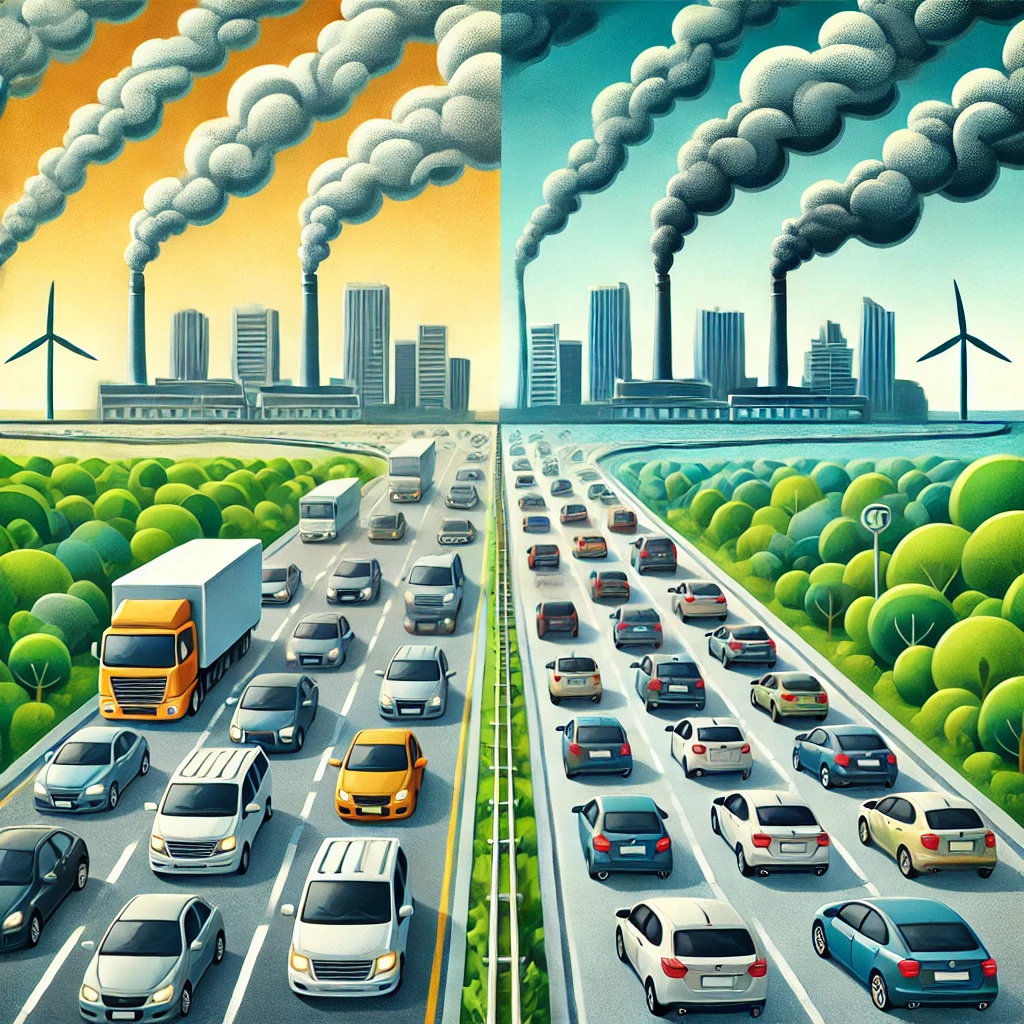
Pollution is one of the most pressing global challenges, with air quality declining in many urban areas, traffic congestion worsening, and harmful emissions contributing to climate change. While many solutions are being implemented to combat pollution, carpooling offers a simple yet impactful way for individuals to make a difference. By sharing rides with others, we can reduce the number of vehicles on the road, leading to less air pollution, decreased noise pollution, and fewer greenhouse gas emissions.
In this article, we’ll explore how embracing carpooling can help minimize pollution and create a cleaner, more sustainable environment.
1. Reducing Air Pollution
One of the primary ways carpooling helps reduce pollution is by cutting down the number of vehicles on the road. The transportation sector is a major contributor to air pollution, with cars emitting pollutants such as carbon dioxide (CO₂), nitrogen oxides (NOₓ), particulate matter, and hydrocarbons. These emissions are harmful to both human health and the environment.
Impact of Carpooling on Air Quality
- Fewer Cars, Less Emissions: By sharing rides, carpooling reduces the number of vehicles on the road, which directly leads to lower emissions. If every car carried just one additional passenger, traffic volume could be significantly reduced, leading to less air pollution.
- Efficient Fuel Use: Fewer cars mean more efficient fuel use. Carpooling ensures that fuel is being used to transport more people per vehicle, rather than burning fuel for a single occupant in each car.
For example, a carpool with four people emits only a fraction of the pollutants that four separate vehicles would produce. Over time, this reduction in emissions can make a significant impact on urban air quality.
2. Lowering Greenhouse Gas Emissions
Greenhouse gases like carbon dioxide are a major contributor to climate change, and the transportation sector is responsible for a substantial portion of these emissions. Reducing the number of cars on the road through carpooling can help lower greenhouse gas emissions, making it a powerful tool for combating climate change.
Carpooling’s Role in Mitigating Climate Change
- Fewer Carbon Emissions: Each carpool reduces the number of single-occupant vehicles, which leads to fewer overall emissions. For every carpool trip, there’s one less vehicle emitting CO₂ into the atmosphere.
- Long-Term Impact: If carpooling becomes a common practice, the cumulative effect on greenhouse gas emissions can be significant. It’s estimated that widespread carpooling could reduce CO₂ emissions by millions of tons per year.
Embracing carpooling on a large scale can help countries and cities meet their climate goals by reducing transportation-related emissions.
3. Reducing Traffic Congestion and Related Pollution
Traffic congestion not only wastes time but also contributes to higher pollution levels. Cars stuck in traffic emit more pollutants due to idling, stop-and-go driving, and inefficient fuel use. Carpooling reduces the number of cars on the road, which helps alleviate congestion and improve overall traffic flow.
How Carpooling Eases Traffic and Lowers Emissions
- Fewer Cars on the Road: Carpooling reduces the number of vehicles on the road, leading to smoother traffic flow. This means less idling in traffic, which results in lower emissions.
- Carpool Lanes: Many cities offer High-Occupancy Vehicle (HOV) lanes that are reserved for cars with multiple passengers. These lanes allow carpoolers to bypass congested areas, reducing travel time and fuel consumption.
By reducing the number of vehicles on the road and improving traffic flow, carpooling not only cuts emissions but also makes commuting faster and less stressful.
4. Reducing Noise Pollution
In addition to air pollution, cars contribute to noise pollution, especially in urban areas. The constant hum of engines, honking, and traffic can have negative effects on mental and physical health. Carpooling helps mitigate this issue by reducing the number of cars on the road.
How Carpooling Reduces Noise Pollution
- Fewer Cars, Less Noise: With fewer vehicles on the road, the overall noise level decreases. Carpooling directly contributes to a quieter environment, especially during peak commuting hours.
- Health Benefits: Lower noise pollution can lead to improved mental health, reduced stress, and better overall well-being for people living in cities.
By embracing carpooling, commuters can contribute to a quieter, more peaceful environment.
5. Decreasing the Demand for Parking Spaces
Parking lots and garages take up vast amounts of space in cities, and they are often linked to environmental degradation. Excessive land use for parking can contribute to the destruction of green spaces and result in more impervious surfaces, which can lead to flooding and water pollution.
Carpooling’s Effect on Urban Spaces
- Fewer Cars, Less Parking Demand: When people carpool, fewer parking spaces are needed. This can help reduce the demand for new parking structures, allowing cities to preserve green spaces or repurpose land for parks, community spaces, or other environmentally friendly uses.
- Decreased Pollution from Parking Infrastructure: Large parking areas contribute to heat islands, which can increase local temperatures and exacerbate air pollution. By reducing the number of cars needing parking, carpooling helps limit the environmental damage caused by parking infrastructure.
6. Encouraging Eco-Friendly Habits
Carpooling is a gateway to more eco-conscious behavior. Once people begin sharing rides, they may also become more aware of other environmentally friendly practices. Carpoolers are more likely to consider other sustainable commuting options like biking, walking, or using public transportation.
Building a Culture of Sustainability
- Raising Awareness: Carpooling raises awareness about the environmental impact of individual car use, encouraging people to make more sustainable choices in their daily lives.
- Collective Impact: When entire communities embrace carpooling, the cumulative effect can be transformative. Reduced traffic, cleaner air, and more sustainable urban planning are all achievable when carpooling becomes part of a larger eco-friendly mindset.
Carpooling not only reduces pollution directly but also fosters a sense of shared responsibility for the environment.
Conclusion
Carpooling like ZipTix is a powerful tool in the fight against pollution. By reducing the number of vehicles on the road, carpooling cuts down on-air pollution, lowers greenhouse gas emissions, eases traffic congestion, reduces noise pollution, and decreases the demand for parking spaces. Moreover, it encourages more eco-friendly habits and helps create a culture of sustainability. In today’s world, where climate change and pollution are critical issues, embracing carpooling is a simple yet effective way for individuals to contribute to a cleaner, healthier environment. Whether for daily commutes or long-distance travel, choosing to carpool can make a significant difference in reducing your carbon footprint and improving the quality of life in your community.