Punctuality is a crucial part of daily life, whether you’re heading to work, school, or appointments. Unfortunately, traffic congestion, unpredictable delays, and the stress of driving can often make sticking to a schedule challenging. This is where carpooling steps in as an efficient and reliable solution, helping you maintain a timely commute while reducing the hassle of driving solo.
In this article, we’ll explore how carpooling can help you arrive and leave on time, what makes it a more punctual and stress-free travel option, and how embracing this practice can lead to smoother, more enjoyable commutes.
Why Timeliness is a Struggle with Solo Driving
Driving alone might seem convenient, but it often brings unpredictable delays that disrupt your schedule. Here are a few reasons why solo commuting can be challenging when it comes to punctuality:
- Traffic Congestion: Cities and towns often experience heavy traffic during rush hours, with drivers battling long queues, lane closures, and bottlenecks. Single-occupancy vehicles crowd the roads, and even small delays can snowball into significant disruptions.
- Parking Delays: Finding parking in busy urban areas can be time-consuming. Circling parking lots or streets in search of a spot often leads to unexpected delays, especially during peak hours.
- Stress and Fatigue: Driving in congested traffic is stressful, particularly when you’re in a hurry. Stress can lead to poor decision-making, fatigue, and even accidents, which further delay your commute.
- Unpredictable Factors: Road construction, accidents, and detours are often unpredictable and cause unexpected delays. Commuters driving alone bear the full responsibility of adjusting for these disruptions.
How Carpooling Ensures Timely Commutes
Carpooling is more than just sharing a ride—it’s a strategic way to ensure punctuality and minimize delays. Here’s how carpooling keeps you on schedule:
1. Access to HOV Lanes
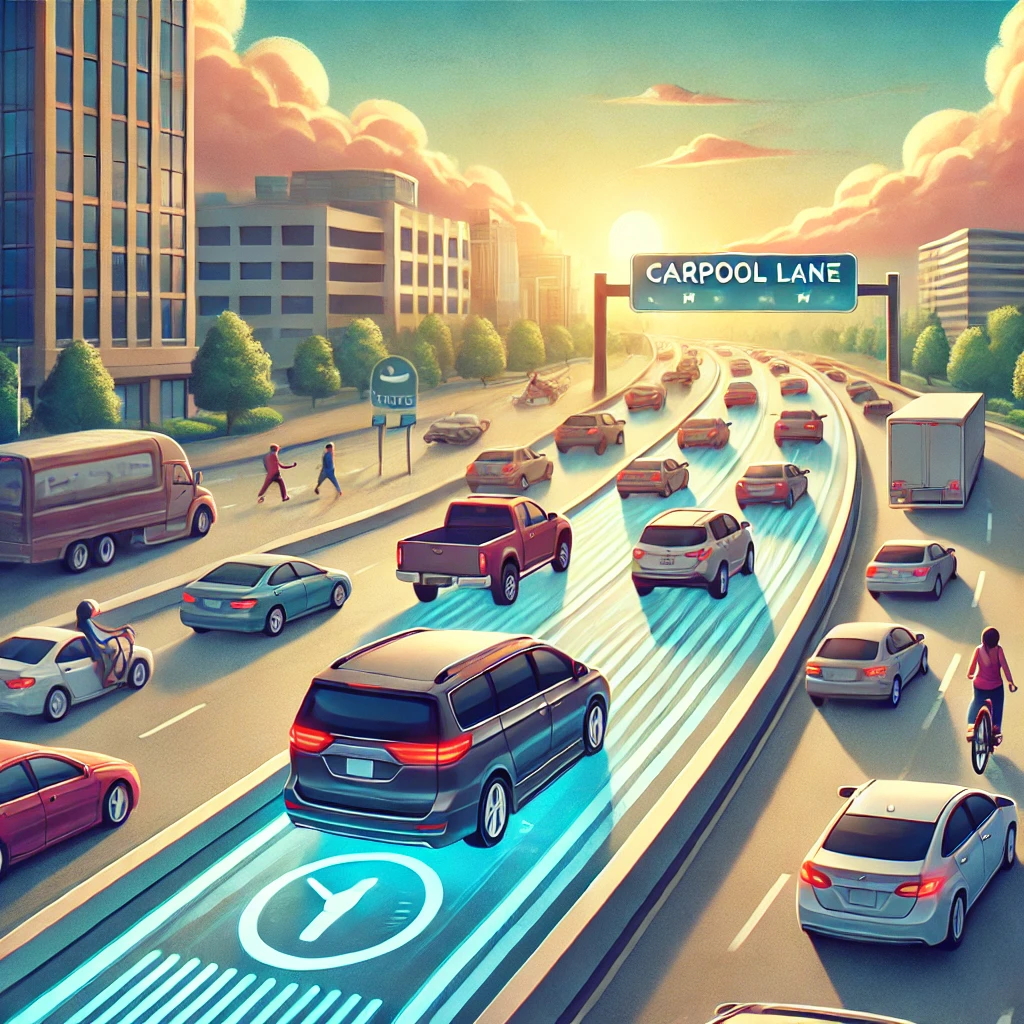
High-occupancy vehicle (HOV) lanes are reserved for vehicles carrying multiple passengers, such as those participating in carpooling. These lanes are typically less congested than regular traffic lanes, allowing carpoolers to bypass gridlock and maintain a steady speed. This can save significant time during rush hour and ensure a smoother, faster commute.
2. Shared Responsibility for Time
When you carpool, multiple people rely on the same schedule, which means there’s an incentive for everyone to be punctual. Drivers and passengers alike benefit from clear communication about departure and arrival times, reducing the risk of delays. With everyone working towards the same goal, carpooling promotes better time management and encourages timeliness.
3. Reduced Road Congestion
Every carpooling group reduces the number of vehicles on the road, which, in turn, helps alleviate overall traffic congestion. Fewer cars on the road mean less traffic, allowing carpoolers to reach their destinations more quickly and predictably. Carpooling contributes to shorter commutes not only for those involved but also for the broader community.
4. Fewer Parking Hassles
Carpooling cuts down on the number of cars that need parking, particularly in busy areas. Instead of multiple individuals looking for parking spaces, one carpool vehicle reduces the stress of parking for multiple people at once. This not only saves time but also reduces the frustration of circling for spots or dealing with full parking lots.
5. Stress-Free Commutes
Carpooling reduces the mental load of driving in heavy traffic. As a passenger, you can relax while someone else drives, allowing you to unwind or even get some work done. This stress relief makes it easier to stick to your schedule without the exhaustion that often comes with solo driving.
Carpooling is a Team Effort for Timeliness
One of the key strengths of carpooling is that it creates a system of accountability among participants. When you’re responsible for meeting others at a specific time, you’re more likely to stick to a punctual schedule. Here’s how carpooling fosters timeliness as a team effort:
- Clear Communication: Most carpool groups establish clear communication channels to coordinate pick-up and drop-off times. By discussing and agreeing on a schedule in advance, everyone in the carpool knows when and where to meet, making it easier to stick to the plan.
- Flexible Arrangements: Carpooling allows for flexibility in terms of roles and schedules. For example, if a driver is running late, another member of the carpool can drive that day. This adaptability helps prevent delays and ensures that the group stays on track.
- Shared Responsibility: Since everyone in the carpool benefits from punctuality, there’s a shared sense of responsibility to ensure that the group leaves and arrives on time. This collective effort means that no one is left rushing or running late.
Making Carpooling Work for You
Carpooling for a timely commute is all about preparation, coordination, and commitment. Here are a few tips to make sure your carpool experience is seamless and keeps you on schedule:
1. Plan Your Route
Before you start carpooling, plan the best route to avoid heavy traffic areas and roadwork. Use navigation apps that provide real-time traffic updates, and decide on the quickest, most efficient path for your group.
2. Establish Consistent Times
Set a consistent time for departure and arrival, and stick to it as much as possible. Whether you’re carpooling daily or a few times a week, maintaining a regular schedule helps everyone stay organized and avoid last-minute rushing.
3. Build in Extra Time
It’s always a good idea to factor in a buffer period in case of unexpected delays like traffic or road conditions. Leaving a few minutes earlier than necessary ensures that you still arrive on time, even with minor setbacks.
4. Choose Your Carpool Companions Wisely
Ensure that the people in your carpool share a similar sense of punctuality and responsibility. A good carpool team is committed to sticking to the schedule, ensuring a smooth and timely commute for everyone involved.
5. Use Technology to Stay Organized
Carpooling apps like ZipTix or other ride-sharing platforms make it easy to coordinate routes, times, and costs. You can also use messaging apps to keep everyone updated about traffic conditions or slight changes in plans.
Conclusion
In an era where traffic congestion, unpredictable delays, and rising travel costs dominate the daily commute, carpooling stands out as an efficient and time-saving solution. By utilizing HOV lanes, reducing parking hassles, and promoting shared responsibility for punctuality, carpooling ensures that you arrive and leave without delay. Not only does carpooling improve your commute by keeping you on schedule, but it also reduces stress, saves money, and helps contribute to a more sustainable urban environment by minimizing the number of vehicles on the road. So, the next time you’re tired of battling traffic and racing the clock, consider carpooling as the perfect solution for a smoother, timelier commute.