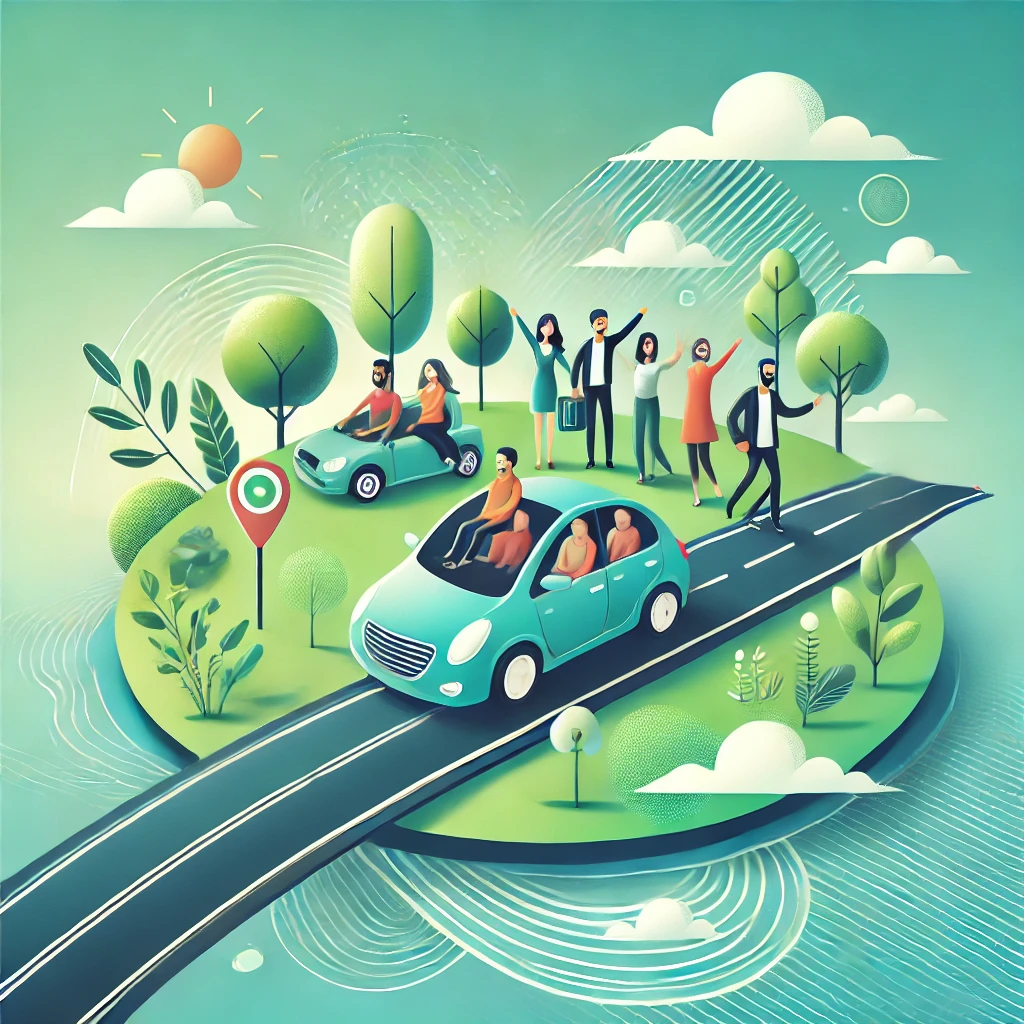
In a world facing pressing environmental challenges, finding sustainable solutions is no longer a choice but a necessity. One simple yet powerful way to contribute to a greener planet is by embracing carpooling. While it may seem like a small action, carpooling has the potential to create a ripple effect of positive changes, both for individuals and the environment.
The Concept of Carpooling
Carpooling, or ride-sharing, involves sharing a vehicle with others who are traveling in the same direction. This not only reduces the number of cars on the road but also maximizes the use of available resources. Whether commuting to work, heading to school, or traveling long distances, carpooling is an efficient and effective way to make a difference.
Environmental Benefits
The most significant impact of carpooling lies in its environmental benefits. With fewer cars on the road:
- Reduced Carbon Emissions: Carpooling helps cut down greenhouse gas emissions, a major contributor to global warming. Sharing rides means fewer cars burning fuel, resulting in a smaller carbon footprint.
- Decreased Air Pollution: Fewer vehicles mean cleaner air. By carpooling, we can combat the health issues caused by air pollution, such as respiratory problems and allergies.
- Preservation of Resources: Sharing rides reduces fuel consumption and slows down the depletion of natural resources like oil and gas.
Economic Advantages
Carpooling is not just good for the planet; it’s great for your wallet too.
- Lower Transportation Costs: Sharing the cost of fuel and tolls with fellow passengers significantly reduces individual expenses.
- Vehicle Maintenance Savings: With less frequent use, carpooling minimizes wear and tear on your vehicle, leading to reduced maintenance costs.
- Affordable Travel: For those without personal vehicles, carpooling provides a cost-effective alternative to owning a car or using expensive ride-hailing services.
Reducing Traffic Congestion
Carpooling has the power to address one of the most common urban challenges: traffic congestion.
- Less Road Clutter: With fewer vehicles on the road, traffic flows more smoothly, reducing delays and frustration.
- Time Efficiency: Carpooling reduces the time spent in traffic, making commutes more predictable and productive.
Fostering Social Connections
Carpooling is more than just a ride-sharing arrangement; it’s an opportunity to build meaningful relationships.
- Networking Opportunities: Sharing a ride with coworkers or neighbors opens doors to networking and collaboration.
- Cultural Exchange: Meeting new people and sharing experiences adds a social dimension to daily commutes.
- Community Building: Carpooling fosters a sense of community, bringing people together for a common purpose.
How Small Actions Multiply Over Time
The beauty of carpooling lies in its scalability. When one person chooses to carpool, it sets an example for others. As more individuals join the movement:
- Collective Environmental Gains: The cumulative reduction in emissions becomes substantial.
- Community Awareness: Seeing others carpool encourages more people to consider the practice.
- Systematic Change: As demand for carpooling grows, infrastructure such as carpool lanes and apps becomes more robust, further promoting the cause.
Steps to Start Carpooling
- Find a Carpool Network: Use platforms like ZipTix to connect with potential carpool partners.
- Plan Your Route: Coordinate with fellow passengers to finalize pickup and drop-off points.
- Establish Guidelines: Agree on costs, schedules, and vehicle usage rules to ensure a smooth experience.
Conclusion Carpooling exemplifies how small actions can lead to big impacts. By sharing a ride, you contribute to environmental conservation, reduce traffic, save money, and build connections. It’s a simple, practical step towards a sustainable future. So, why wait? Make carpooling a part of your daily routine and drive the change you want to see in the world.